Thursday, March 23, 2017

Hygge for the Minimalist

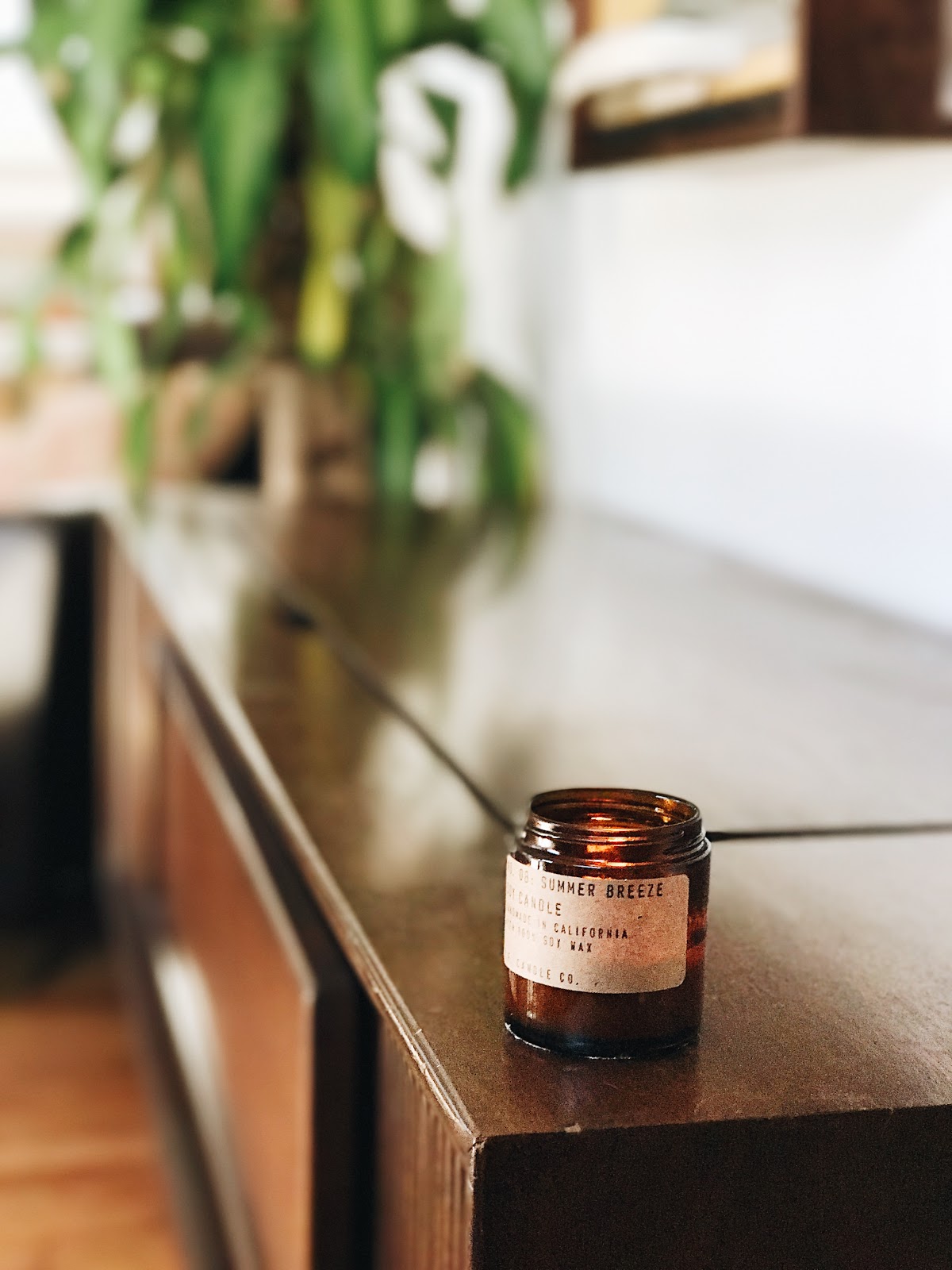
Over the last year, the word Hygge (pronounced hoo-ga) has been the newest way of living as the idea of minimalism becomes old news. You may have heard by now that this Danish way of living is all about being cozy at home. It's a very broad term, and could mean anything from lighting candles, curling up with a blanket and a book by the fire or opening the windows to let the fresh air in. But for the minimalist wanting to incorporate hygge, it's important to remember that you don't need to buy a candle, blanket or book to be cozy and happy.

Here I've compiled a list of ways minimalists who are interested in this way of living can buy into the concept of hygge without actually buying anything.

1. The Entertainer


There's not many things that will make a home cozier than having friends and family over for a gathering. Even better is when the food preparation and clean-up  is shared by all. If the weather is lovely, take the dinner party outdoors where stories can be shared late into the night and under the stars. You can enjoy any leftover flowers and wine guests brought the next day, which will also be a little reminder of how lucky you are to have those people in your life.

2. The Baker


There's something so hygge about the smell of fresh baked bread or chocolate chip cookies right out of the oven. If you love to bake, grab your favorite cookbook and find a recipe you already have ingredients for and get in your cozy zone. You can even double the recipe and share your goods with a neighbor.

3. The Weekender


Weekends can be slow and hygge, as they should be. You don't have to tackle that to-do list or even leave the house for that matter if that is your cozy. Put the digital gadgets away and read a book or magazine for a change and indulge in your favorite comfort food. The world will not end if you don't check your email every 5 minutes.

4. The Relaxer


When was the last time you soaked in the bathtub until your fingers and toes were wrinkly? Baths are not just for children, and your muscles deserve to relax for a while. Take care of yourself and indulge in a warm bath with a little bit of scented bath salts or bath bubbles. It doesn't get much more hygge than that.

5. The Gardner


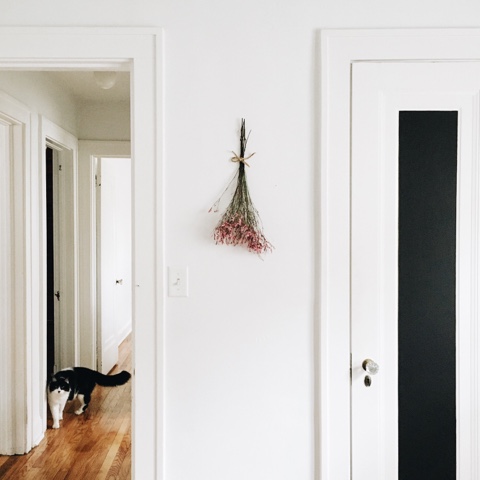
Unless you spend the entire day outside in your garden, then you're not enjoying your hard work as you should be. Grab the scissors and cut some flowers to bring hygge inside and enjoy in your home. If you have an abundance of flowers, bring some cozy to some to your friends as a gift to share the wealth of beauty you've grown and nurtured. 


Sunday, January 1, 2017

The Beauty of Imperfection


Nothing lasts.
Nothing is finished.
Nothing is perfect.

The recent surge of interest in minimalism would lead you to believe that it's a new and trendy ideal. But the truth is that it's a way of living that is centuries old and celebrated by many cultures across the globe. While living with less may be a new idea in the United States, it's been a practiced way of living in Buddhist communities for ages. If you look at the core beliefs of minimalism and the choice to live with less, you will find similarities to what the Japanese call wabi-sabi.

Wabi-sabi is a Zen Buddhist philosophy that there is beauty in the natural and imperfect. Instead of seeing a broken heirloom tea ceremony bowl as a loss, the Japanese use gold to not only repair the bowl but to also highlight the cracks as part of the story. This process is called kintsukuroi and is a work of art in itself. Wabi-sabi also emphasizes that there is no such thing as perfection and see moss
covered stones or the color of copper that has oxidized as more beautiful than the siding covered pristine homes and immaculately manicured lawns that are common in the United States.

The name means wisdom in natural beauty and represents humble grace; living with less clutter and modestly.

"Threre is a crack in everything, that's how the light gets in." - Leonard Cohen

If you're just starting your journey to simplicity or interested in how to implement the simplicity of wabi-sabi into your way of life, here are some ways you can look to incorporate a more natural, accepting and forgiving mindset:

Give things new life

Patch the hole in your favorite sweater or turn it into a pillow cover. Have your grandmothers chair reupolstered. If it's an item that tells a story, it's worthy of the respect and time required to mend it so you can continue to appreciate its beauty and carry on it's story.

See the beauty in imperfections

Aging is something to be dreaded in America and people go to great lengths to dye their hair and have plastic surgery to hide the wrinkles and age spots of time. But wabi-sabi finds beauty and wisdom in crows feet and silver hair. The scars are part of the story. These imperfections are our equivalent to the rings of a tree and how they show it's age. Each ring representing a page of a story.

You see the desire for perfection everywhere in our culture. Grocery stores sell only the most perfect fruits and vegetables, but anyone that gardens or has visited a farmers market knows that beautiful isn't always better, and food grown organically and naturally looks nothing like what you see on the shelves of the supermarket that were grown in a chemistry lab. Everyone knows a tomato grown in a garden may not be as large or perfectly round as a "hot house" tomato, but it has much more flavor and color because it was grown naturally.

Understand the natural order

To everything there is a season, and a time to every purpose. Wabi-sabi is about appreciating the Beauty of the decaying leaf and the process of age. It's the natural order and the circle of life. We must learn to respect the seasons we are in and understand that it is only temporary. That means appreciating every second we are given, and know that whether it be a good or bad time in our life, this too shall pass and we must learn from it, appreciate it and accept it. It would be a shame to spend our time feeling sorry for ourselves or wallowing in pity knowing our time is precious and few.
It also means using our time wisely in relationships that are meaningful and doing things that bring us happiness.

Respecting the seasons is also an important aspect of wabi-sabi. Instead of buying a bouquet of flowers, forage your yard for flowers in the spring and summer and branches or dried flowers to adorn your dinner table in the cold weather months. Try to plan meals around what vegetables are in season instead of what's available at the grocery store.

Look to nature for inspiration

Nature is to be respected and emulated. When choosing housewares and clothing, choose neutral colors and natural materials so that your living space mimics a setting similar to one you would find in nature. The closest you can get to an organically curated life is ideal. Incorporate as much nature and natural elements into your life as possible and learn to appreciate the cracks in wood bowls, chips in your special chinaware and rusted door hinge.

For more information on the philosophy of wabi-sabi, I suggest the book Wabi Sabi: The Japanese Art of Impermanence by Andrew Juniper.


Friday, December 30, 2016

The Season of Slow


I remember as a child rushing through life. I had learned that the faster I did things the quicker I could be finished with chores and on to more interesting things. My father was constantly reminding me to slow down, especially when I would be moving so fast that I would trip or drop something. But it's hard to explain to a young person why it's important to slow down. It's not something that can be accomplished without dedication and intent. It's a conscious way of living that must be learned and appreciated. The gift of slow means you are aware of the world rushing around you without letting it affect you. The next time you get stuck walking or driving behind an older person, instead of getting frustrated and deciding they need to hurry up, take it as a friendly reminder that maybe you need to slow down.

These winter months of shorter days and cold temperatures keeping us indoors are natures way to force us to slow down. If you've chosen this time of year to slow down as a resolution in the new year, here are some areas you should look to change in your life:

Do Less

It's as simple as that. Have you looked at your to-do list lately? Are all of the items on that list nessesary? Do items on that list benefit you enough to take up your time and energy? Even taking one item off that list will make all the difference. Taking that one item off your daily task list will give you more time to slow down and be more focused on the remaining tasks.

Buy Less

If you buy less you can work less. Do you work a second job to be able to afford that second car? Do you even need a second car? Remember that whatever you buy you have to work to be able to afford. Is that second car worth the hours of life spent working to be able to have it?

Consume Less

Our fast lives of 30 minute lunches at work and getting kids to and from sporting events have us eating fast at every meal. We eat so fast that the food hasn't reached our stomach in time to tell us we are full by the time we've overeaten. The slower you eat, the less you will eat because you will be in tune with the signals your body is sending you. If you have a hard time getting used to eating slower, close your eyes and focus on what you are eating without distractions.

Unplug More

Get out of the digital world and be more present in the real world. Did you know that the light from watching TV or looking at a computer screen or electronic device before bed can interfere with your sleep patterns? We are confusing our internal clock with too much stimulation. I know it's hard to believe in the world we live in today, but there are plenty of things you can do with your time that do not require electricity and will benefit your mind much more than taking Facebook quizzes or Snapchatting. Things like reading, taking a walk, meditating, doing yoga, doing a crossword puzzle, playing a board game, playing cards, walking the dog, writing someone a letter, drawing or painting.

Walk More

You don't need a treadmill or gym membership to get exersise and fresh air. Walking around your neighborhood is free and more importantly it will get you out in nature. Even better, go for a walk without your music so you can listen to the sounds you hear and just enjoy the quiet and slowness of life without every silence being filled with ads for things you don't need. Try bird watching or documenting the things you find in a journal.

Wednesday, July 13, 2016

These Are A Few of My Favorite Things: A Home Tour


It's easy to constantly change the look of your home. Especially when all you have to do is shop a website to find what you're looking for. You find something you like, it's cheap and you don't even have to go pick it up because the company offers free shipping. The problem with furniture made today is it tends to be made of cheap materials. Things like a cardboard back to a cabinet with a wood grain print on it and stickers to match for covering up shelf peg holes. There's little to no real wood in these pieces and most are made using pressed particle board. These pieces will not only fall apart over time, but they have no history or added benefit to your home.

Our home was built in the early 1920s. We are always finding evidence of stories from previous families that have lived here before us. One example is the chimney we exposed while redoing our upstairs bathroom where a child had used a pencil to draw faces on the brick while playing in the attic. For a home with so much history and character, why would we fill it with pieces that were made in a factory and hundreds of others like it fill homes across the country?

If minimalism means only having things in your space that make you happy or tell a story, then you should be able to tell visitors that story when they ask about it instead of just naming the store you purchased it from. It's not easy to find great pieces, but it's more rewarding when you do. Here are the stories behind some of our favorite finds.


This is a console my husband found on Craigslist for $50. The radio and record player were in bad shape but the speakers and exterior were in great condition. So he gutted it and installed a new radio, record player and storage for records.


This is a card catalog that my mother in law rescued from the dumpster of the school she works at in Ohio. They drove it all the way to Missouri for us because they knew we would take it in. It's great for storage and VERY heavy. Many younger generations have never used a card catalog, but we have fond memories of using this system to find a book at the library.


This is a working 1940s RCA tube radio we purchased off Craigslist. We sold an IKEA dresser to be able to purchase it and we couldn't be happier with that decision. It takes a second for it to warm up and turn on, but when it does there's a light that makes it easier to see the dials. There are presets for things like "police" and local channels. I can see listening to many baseball games on this radio in the future.


This is my grandmothers piano. Even when her memories were taken by dementia in the last years of her life, she could still sit down to this piano and somehow remember how to play songs from memory.


This is a mid century dresser we purchased from a local antique store for only $80. As with most pieces of furniture owned by people of earlier generations, there is evidence that it was loved and appreciated in the way it was very well taken care. It's made of solid wood and even bears the emblem of the local manufacturer. You can smell the wood when you open the drawers and it's a perfect addition to our home.

Wednesday, July 6, 2016

5 Things I Wish I Knew Before Starting My Journey to Simplicity


Starting any new project can be overwhelming. But a project that impacts our personal space and belongings can be even more daunting. No matter how many books or blogs you read, you will never really know what to expect from your experience of simplifying your life until you're in the midst of being surrounded by objects that represent your life. There's no question that being a minimalist and choosing which part of your story to keep is hard, but after 2 years of this journey to simplicity, there's things I've learned about the process and myself that I wish someone had shared with me in the beginning when I was just starting out.

1. It's Addictive
Once you get started, it will be hard to stop. You may start out thinking you're only going to clean out your closets then be done, but then find yourself in the kitchen going through cabinets and in the basement pulling out dusty boxes you haven't opened in years. The reason is because there's a freedom you feel from lightening the load of things taking up residence in your personal space. Things you've carried with you with every move and change in your life you can now let go. Once you experience that rush, it's hard to stop knowing you've only brushed the surface.

2. It's Contagious
My husband thought I was crazy when I started donating and selling everything on Craigslist. He was sure there wouldn't be any anything left at the rate I was going. Interestingly, after he saw how clean and open our home became, he saw there was a method to my madness. Now, if I go to him to ask if he wants to keep something or donate it, 9 times out of 10 he will choose to donate it without hesitation.

3. It's Ongoing
Even 2 years later, after all the dozens of boxes of things I've removed from our home, I'm still find things I don't need and want to donate. I even have a pile of things ready to go to the thrift store right now. It's not that I've brought more things into our home, it's that once you get rid of the clutter, you can better see what you have. Once you have less to work with, you can spot items you're never touching or using. Maybe you held onto a cardigan because you thought you'd find something to wear it with. Eventually you realize it's still sitting in your closet unworn and unloved. It's a matter of honing in and dwindling down.

4. It's Lifechanging
It's hard to explain to someone who has never simplified their life how good they will feel after they get rid of their possessions. It just sounds like crazy talk. People love their stuff, otherwise they wouldn't have it. But once you're in it, you want to shout it from the rooftops so everyone can feel this joy you're feeling. You will want to go to your friends house and help them declutter and they will think you're insane for WANTING to clean. The good news is of all the people I've known to do it, never have I heard anyone say they regretted it. There really is no turning back.

5. It's NOT Organizing
If you're an organizer like me, you're not going to like this one. Simplicity is not about Rubbermaid bins and color coded labels. That's not to say you can't organize the things you do keep, but if you're just sorting everything into piles so you can store them neatly instead of removing things completely, then you're not simplifying, you're organizing. There is a difference! Sure, you could say having all your shoes organized is helping simply your morning routine, but not if you own 50 pairs of shoes. It's important to understand the difference before you begin so you realize you should be saving money through this process, not spending it.

Wednesday, June 22, 2016

The Minimalists No-Spend Challenge


There's a reason that minimalism and living simply have become something we need to learn how to do. There's box stores that offer lower prices for buying in bulk, theres bigger homes being built that require more things to fill them and the media that tells us we have to keep up with changing trends. Keeping up with all that "stuff" can be exhausting.

There was a time when households survived on only one shared family car. If you live in a home like ours that was built in the 1920s, you know that there was no space left between houses for a garage or driveway because people didn't have a car. Humans have survived for centuries without a lot of things that today we see as essentials: air conditioning, car seats for children, helmets and knee pads for riding bicycles, a separate bedroom for each child, a washer and dryer, etc. Now think of the things we have today that were created because of our consumerism: freezer chests, storage units, multi-car garages, walk-in closets. So why with everything we have today to make our lives easier and more efficient are we so much more unhappy and exhausted than the people from those simpler times that had less?

Here's a challenge for you: see if you can go one week without spending. If at the end of the week you find you enjoyed the challenge and want to see how much farther you can go, turn it into a 15 day challenge and maybe even a month challenge.

There's a phrase you're going to hear repeated throughout this blog post: get creative. The reason is in order to succeed at this challenge, you're really going to have to think outside the box about making what you have work for you. This can mean changes as simple as using busicuts in place of bread or kitchen towels instead of paper ones.

The first step is to take inventory. Make a list of the things you will need during the time frame of your challenge, only including things you absolutely need. Now go through your house and take inventory to see if you have those items. It may mean you will only have enough liquid soap if you dilute it or will have to use toilet paper to blow your nose instead of tissues. For some, the goal of this challenge is to save money. For others, it will be to find out what it's like to be resourceful as our ancestors were.

Now, let's get creative!

Groceries
Take inventory of your pantry and freezer and come up with meals you could make using only the provided goods available. Make a plan for the length of your challenge so you can strategize what items need to be eaten first because of expiration dates. You will be surprised at how many meals you can get from so little when you get creative. This is also a great way to learn how to make your own bread, noodles or butter.

Gas
Plan your errands to save gas. Try to limit your days driving and cut down on the amount of places you go to save money on gas. Going to two grocery stores because one has a sale on meat but the other you have a coupon for toilet paper isn't saving you money when you consider how much gas you're wasting. The best thing would be you not go out at all so you won't be tempted to spend money on eating out or shopping. There are people who live miles away from the grocery store and don't have the luxury of running to the store to get the one thing they ran out of. They have to plan their trips to town and make do with what they have. But if you get creative and really think about it in terms of necessity, you will come up with ways to get by.

Clothing
Shop your closet when you feel the need to buy clothing. Really think about how you can make do with what you already have. Use accessories like belts and scarves to create more possibilities. If there's a pair of shorts you've been wanting to buy and have a pair of jeans you never wear, simply grab the scissors and make cut-offs. If you have an item of clothing that is damaged, get creative and see if you can patch it, mend it or alter it in some way that you can use it again.

Gifts
You may be wondering how you can achieve a no spend challenge when there are birthday parties and showers coming up on your calendar. The good news is you have everything you need already, you just have to get creative. Keep in mindgifts don't have to be homemade bath salts or candles. You can always make casseroles or baked goods as a gift using the inventory you already have.

Friday, June 3, 2016

Minimalist Bathroom Organization


There's a little feature about our bathroom on the Urban Outfitters blog! Check out the post for ideas on how to simplify clutter and make the best of your small bathroom.

Tuesday, May 10, 2016

Minimalist Date Ideas


If you're planning a date night but trying to save money, there are several options for spending time together without spending money at the movies or a fancy restaurant. The best part is most of these ideas can be done at home (no babysitter needed!) or take place outdoors so dogs can tag along.

Picnic

This idea can be enjoyed in your backyard or at the local park. Pack some sandwiches, drinks, a blanket and a board game or deck of cards to play after you eat.

Park

Take a bag of stale bread to feed the ducks, fly a kite or swing on the swing set after you enjoy a picnic lunch.

Put a Puzzle Together

Clear a table and put a puzzle together while listening to music and enjoying a glass of wine.


Outdoor Movies

If you have a projector or laptop, you can create a movie theatre in your backyard. Just grab some blankets and pillows to lay out and enjoy your favorite movie under the stars.

Visit Your Local Art Museum

This is a great opportunity to discuss your favorite artists and talk about art. You can even create a scavenger hunt of things to search for together while there.

Go For a Walk

You don't need a specific destination in mind when going for a walk. Explore your neighborhood and get outside to enjoy each others company: smell the flowers, admire your favorite houses and enjoy the fresh air.

Yoga in the Park

There are many groups that meet up for free yoga in the park. Just grab your yoga mats and get there early so you can get a good spot.

Ride Bikes

Enjoy being a kid again by going for a bike ride together. It's a great way to get your exercise and get outside.

Board Games

Board games are great because you can take them anywhere to enjoy. You can play them at home while watching your favorite movie or take them to the park for a picnic.

Build a Fort

This is a great date night for a rainy or cold night that keeps you indoors. Build a fort and string up some lights to make it more fun. Fill it with some pillows and blankets and enjoy a movie on your laptop or board game.

Go Camping

If you're not the adventurous type to go camping in the woods, pitch your tent in your backyard and camp out. You can still make s'mores and sleep under the stars but still have the use of the bathroom inside the house at your leisure.

Go Hiking

This idea doesn't have to be as rugged as the name suggests. You don't have to live near the mountains to go hiking and enjoy spending time with nature. Every city has wooded areas that you can hike in and groups of people who meet up to hike together.

Monday, April 4, 2016

Plastic-free Pets


When you think about what the toxic accumulation of chemicals from plastics do to humans over a period of time, you can only imagine how quickly and with greater impact those chemicals are having on the smaller bodied family members that share your home. They trust you to supply them with the healthiest and safest home, and it's up to you to see that they have the best options possible. There are a wide assortment of baby products that are organic and safe to chew on, but if you visit the pet aisle at the store you will likely find plastic toys, water bowls and flea collars.

For many of us, our pets are our babies. So it's important that we take into account the outcome of plastics in our home on our pets. And while you may have already replaced the obvrious things, there are plenty of hidden plastics your pets may be coming into contact with that you are not aware of.

Food

Go can free: We know that canned food has plastic lining with BPA, so purchasing dry food or making your own pet food is a better option. There are several pet food companies that use BPA free lining in their cans, but all contain the ingredient carrageenan which is not safe.

Galvanized storage: Store your dry pet food in a galvanized lidded can to keep food fresh without the need for a plastic container. This is also a great place to store bird seed.

Use stainless steel bowls: Be sure to check on water levels often as the stainless steel makes it harder to see the water line. As with any pet dish, be sure to wash frequently.

Use glass treat jars: You can add a label if you have both cats and dogs and need to specify.

Scoopers: Use metal scoopers to transfer food to bowls.

Small Pets

Water bottles: Most water bottles for cages are plastic and attach to the side of the cage. Use a water bowl instead, but shallow enough so the pet cannot drown. Be sure to clean it often as it will get pet waste and cage shaving in it frequently.

Shredded paper: The ink from newspaper can contain BPA, so be careful not to use shredded newspaper to line pets cages. Cedar is a better option and keeps cages smelling great.

Bird feeders: A lot of bird feeders are made of plastic. Try to find a wooden one which are easier to clean and last longer.

Toys

There are plenty of plastic-free alternatives such as canvas, natural rubber, hemp, rope, and cotton.

Waste

Doggie bags: Use paper bags or newspaper.

Kitty litter: Purchase disposable paper litter boxes and use metal a scooper. 

Collar

Synthetic collars are not a safe option. If you are a vegan and do not want to use leather, there is a company that makes hemp collars.

Wednesday, March 23, 2016

Connecting to Nature Through Minimalism in Our Daily Routine


In our modern world of technology, we've distanced ourselves from our connection to nature. You see it in children who prefer video games over going outside to play and their parents who want to keep them inside for fear of a bee sting or poison ivy. But for older generations, there are fond memories of the smell of dirt and moss from the creek. They spent time in nature making mud pies, climbing trees and digging for worms. They used their imaginations laying in the grass and deciding what each cloud looked like as it passed and used their hands to turn dandelion into floral crowns.

By disconnecting with nature, we are disconnecting from ourselves. Every living thing is tied to nature and its schedule. There is a natural rhythm that is meant to be followed with the rising and setting of the sun, the changing of the seasons and the flow of our daily routine. Yet, we choose the convenience of a lamp so we can read past nightfall which disrupts our sleep cycle, we control the temperature of our homes with thermostats and grab our cellphones to check social media the second we wake up. We have decided to extend our days to get as many things accomplished instead of letting our minds and bodies unwind and relax.

It's undeniable the connection we have to nature. There is a reason why people correlate strange behavior in others with a full moon. By disconnecting with nature, we become ill, stressed, unfocused and tired. Inconsistent schedules make our bodies unsure of when the next meal is or when it will get to rest.

By creating a daily routine aligned with nature, we can be comforted knowing that we have stability and a reliable day ahead of us. We can also do things to reconnect with nature and once again become part of the community of plants and animals that we live in.

Wake Before Sunrise

If you find it hard to wake up in the morning, it's probably because you have been on an inconsistent sleep schedule. If you wake up before sunrise and do things to slowly work your way out of sleep, it has time to wake naturally and with the sun. This is much healthier than being jolted out of bed to a screeching alarm clock and relying on strong coffee to force your body awake. If you must rely on an alarm clock, make it something pleasant to hear like birds chirping or ocean waves.

Have a Morning Routine

Once you are out of bed, do things to prepare yourself for the day ahead. Doing yoga or quiet reflection can bring your mind into focus.

Keep Consistent Meal Times

If your body is used to a meal schedule, it will know when to expect to eat again. This means less snacking to get through the day and relying on unhealthy alternatives such as vending machines.

Eat Seasonally

One of the many advantages of shopping farmers markets is you can only purchase what's in season. You will learn to appreciate seasonal fruits and vegetables if you can only have at certain times of the year.

Take Time to Go Outside

You don't have to live in the forest or mountains to take advantage of nature all around you. Even city dwellers have parks and greenhouses to explore. Something as simple as a walk through the neighborhood (without music) and listening to the birds and rustling trees will relieve stress. Take your shoes off and walk on the grass to connect with the earth.

Don't Leave Dishes in the Sink

Knowing that you have everything taken care of at the end of the day is important in order to not feel as if you have things on your to-do list when you go to bed at night. It is easier to sleep without worry and its comforting to wake up to a clean house to start your day. Make it a habit to take care of little chores today so you have a clean home to wake up to tomorrow.

Unwind at Sunset

Your body rhythms should be aligned with nature. So when the sun sets, that's when you need to start transitioning to sleep and begin the process of slowing down your mind. Some ways you can unwind and prepare for rest are taking a warm bath, diffusing your favorite essential oils, drinking warm milk or meditating. This time should be spent without technology distractions or bright lights that will keep you awake like television, cell phones or erasers. It is vital that this time is consistent each night in order to regulate your sleep patterns.

Monday, March 7, 2016

Waste Not, Want Not - A Minimalist Take on Zero Waste


An important part of being a minimalist is recognizing the effects our consumer habits have on our lives. But while we make our internal space cleaner and clutter free, we are essentially adding to the waste of oceans and landfills in our external space. If we can learn how to take ownership of the waste we create, we can help to alleviate the problem through the choices we make on a daily basis.

Food

Coffee press

This is a big one for me because it upsets me so to see people who use coffee makers that use plastic pods. The convenience of the coffee makers makes them a popular choice, but those plastic coffee pods are probably the worst possible way to make coffee when it comes to the waste you are creating. Plus, shooting hot water through plastic is basically drinking chemicals. Slightly better are coffee makers that require a filter. While paper filters are quick to decompose, there is actually an even better option available in the form of a french press. Because they have a mesh filter, you can save money and the environment by not needing a disposable paper version.

Coffee grounds for face mask

You are probably wondering how making coffee could be zero waste since there is always coffee grounds left over. The good news is the coffee grounds can be used to make a face scrub. Here is the recipe:

  • 4 Tablespoons coconut, olive, or preferred oil
  • 6 Tablespoons very finely ground used coffee
Mix together and store in an airtight container in the fridge and it will keep for a week.

Eat fresh food without packaging

This one is pretty self explanatory. If you use fresh ingredients, especially ones from the farmers market, you will not have any cans, plastic wrap or lids to trash. Any peels or seeds can be composted.

Compost

Keep a miniature compost bin on your kitchen counter to collect food waste to take to the compost pile/bin when it gets full. Just remember that meat cannot be composted.

Paper

Pay bills online

It's quicker and paperless. Another important aspect of this method is you are keeping those envelopes with plastic windows out of your home. Those plastic windows contain BPA and if you throw them in the recycle bin, they contaminate all the recycled waste with BPA. This is something to keep in mind if you are purchasing recycled products, like toilet paper, that you use on your body.

Cancel subscriptions/catalogs

You don't need those things anyway because anything you bring into the home has to replace something you already have.

Ask for reusable coffee cups

When visiting coffee shops, ask for your latte in a ceramic mug to save from the waste created from a paper disposable cup. 

Use reusable bags

If you reuse your bags, you won't bring bags into your home. Take extras to give to the person in line behind you and start the trend!

Decline receipts

Those receipts that turn black when exposed to the sun contain BPA in the ink. If you decline the receipt, you are keeping that BPA off of your hands. Most companies now offer the option to email your receipt.

Water

Collect water in watering can

I tend to get a glass of water and set it somewhere then forget where I left it. One way to keep from wasting that water is to keep a watering can that you pour the old water into to water your plants with.

Rain barrel

Keep a rain barrel to collect rain water to water your plants. You can also use this water to water your indoor plants with a watering can.

Drink tap water

It's free and doesn't come in a wasteful bottle! Not to mention the plastic chemicals that could have leached into your water during the shipment process if the delivery truck got hot enough.

Tuesday, March 1, 2016

The Minimalist Budget


Living with less can help you save money when you don't have as many things to care for and maintain. But being a minimalist also forces you to reevaluate your spending habits. The last thing you want to do is spend time getting rid of clutter only to turn around and buy replacements for everything.

Here is a look at some ways you can save money and live on a minimalist budget.

Food

Order water

If you plan to eat out, skip the soda or alcohol and instead opt for water. It's a free and healthier option.

Cook from scratch

Have you ever looked at the cost difference between a bag of shredded cheese and a block of cheese? Not only is the block of cheese cheaper but it has more ounces in it. It may take longer to shred the cheese yourself, but the money you save will add up in the long run.

Use up pantry

Before you make another grocery store run, take stock of what you have in your pantry. You may find that if you get creative, you could plan a meal for a week with the ingredients you already have on hand.

Get a basket instead of a cart

Just as eating off a smaller plate keeps you from overeating, shopping with a hand basket instead of a shopping cart has the same effect. Not only will having less room keep you from throwing unnecessary things into it that weren't on your shopping list, but the weight of having to carry all those things is another incentive to keep it light.

Stick to your shopping list or only take limited cash

Another way to keep from purchasing things that are not on your shopping list is to only take enough cash to cover the cost of the items on your list. Keep in mind that cash is money that is actually there while a credit line is not.

Home

Make your own cleaners and personal care products

Not only are household cleaners dangerously toxic, but there's nothing a little vinegar and baking soda can't clean for a lot cheaper. Why store all those different cleaners when you can have an all-purpose one that doesn't make you cough from all the added chemicals?

Fix broken things

Simple things like sewing a button back on or darning a sock can save you money in the long run and keep clothing out of the landfill. 

Hang dry clothes

If you don't have a clothing line in your backyard, you can find clothing racks that can be folded and stored away when not in use.

Turn down the heater/air conditioner

At night when you are warm under the covers, set your home temperature between 50 and 60 degrees to save money on heating and cooling. When the weather is comfortable, turn off your heating and cooling completely and rely on open windows and ceiling fans to regulate the temperature.

Walk everywhere

If you live in walking distance to places you frequent, think about walking instead of driving. This routine will not only save you money on gas, but will also help you get exercise and fresh air.

Shopping

Make use of credit card rewards

Although cash is the recommended form of payment for purchases, you obviously cannot pay for online purchases with cash. If you are going to have a credit card for these transactions, make sure it's one you will get rewards on in the form of cash back.

Unsubscribe from catalogs and emails

Out of sight, out of mind. If you don't see it, how will you know you want it? Save trees and money by asking companies to remove you from their snail mail list.

Pay bills online

Save from having to buy stamps by paying bills online.

Utilize the library for books & movies

Only buy books or movies that you know you will read more than once. For all other books and movies, put those tax dollars to work and check it out from the library.

Monday, February 22, 2016

DIY - Plastic-free Waterproof Shower Curtain


One of the largest plastics in your home is the shower curtain and liner. These PVC vinyl products release toxic chemicals like phthalates when heated by a hot shower or bath. Opening them for the first time can be overwhelming because if the smell they release - inducing headaches and respiratory issues.

While retailers have started making PVC-free alternatives, I wanted to find a plastic-free method for our home and family. I recently discovered a company from Portland called Otterwax that makes  natural products to care for leather and fabrics that endure the elements.

One of their products is the fabric bar, which contains no petroleum or silicone. I decided to try the bar on the inside of our cotton shower curtain to prevent the absorption of water. Here is a step-by-step to trying this method at home:

• wash and dry curtain
• rub fabric bar in a back-and-forth motion to create friction
• allow to cure before using

I love the smell of the wax and not having to use a shower liner in the future. For more information on Otterwax products, you can visit their website at: www.otterwax.com

Sunday, February 14, 2016

Minimizing Digital Clutter


Giving yourself the gift of physical space through minimalism can be cleansing. What people sometimes forget is the same concept can be applied to your online and digital space.

Maybe you've considered deleting your Facebook account but worry without it you will lose touch with friends. Maybe you've tried leaving your phone off but worry you might miss an important call. We can't deny the convenience of the digital age and our love-hate relationship with our smart phones, but that doesn't mean we can't take back our time and intentions to stay grounded in the real and physical world.

More Social - Less Media

Delete apps or turn off notifications

You don't need to delete your social media accounts to reduce your screen time. Simple steps like cleaning up your "follow" list or deleting the apps on your phone can keep you from even realizing you have a notification and checking it.

Meet up in person

If you're worried about missing out on announcement posts and changes in the lives of your friends and family, then use that as an incentive to meet up with that person for coffee and conversation or have them over for dinner. These interactions will be much more meaningful and memorable than that a comment or "like".

Set a timer

If you absolutely must check your feed, then at least set a timer for how much time you think is reasonable to keep from wasting your afternoon scrolling.

Take Note

Start writing lists

If you're like me, then you are constantly making lists: grocery lists, to-do lists, goals lists, etc. I've tried making lists on my phone, but hitting "delete" on a finished task is not as satisfactory as scratching it off.

I love using journals and little notepads to write my lists on. I also love the idea of having these entries to refer back on in the future if need be. 

Use a paper calendar

While it's nice to have your phone remind you about an event coming up, the truth is, we shouldn't have to rely on it. Facebook should not be the reason you know your best friends birthday is next week. If you keep a paper calendar and check it daily, you will be able to remember important events without the help of social media.

Start writing letter correspondence

When was the last time you received a letter in the mail? I mean a handwritten one on actual stationary. If you received one in the last two years, it was probably from someone of an older generation. It more than likely made you feel special. To think that someone sat down and dedicated their time and best handwriting to express their feelings to you. There was no spellcheck button or backspace to edit with, so it's possible they had to start over - maybe even more than once. Wouldn't it feel special to receive a physical card in the mail on your birthday instead of a comment on your Facebook wall? Maybe you can be the one to break out the postage stamps and start the trend. 

Unsubscribe from emails

Take the time to unsubscribe from all those spam emails so you don't have to delete them in the future. It's easier to see the important emails when you don't have to scroll through all the junk.

Phasing Out the Phone 

Out of sight out of mind

Keep your phone in another room or in your purse to avoid checking it.

Use a camera

Document your life the right way. Photos taken with a camera can be so much more beautiful and meaningful. There's a reason you never see a wedding photographer using their phone to take photos of the bride and groom.

Play interactive board games

The problem with online games is you may be playing against a friend, but the interaction is lost. Break out the classic board games where you can actually see the person you are playing against, instead of sitting next to each other and looking down at your phones.